






CN
400-915-1979
400-915-1979

In the powder industry, there is a common saying: the quality of calcium carbonate hinges half on its purity and half on its particle size distribution. When selecting materials, many customers first focus on whiteness, calcium content and screen residue, yet they often overlook a more subtle yet critical indicator — Particle Size Distribution (PSD). Today, we will discuss how this "invisible distribution" determines the success or failure of calcium carbonate in downstream applications.
Active calcium carbonate, as a multifunctional material, plays a significant role in industries such as plastics, rubber, and coatings. This article will explore the hidden capabilities of this white powder from three aspects: industrial applications, environmental protection, and daily life scenarios, revealing its practical value and allowing you to discover its utility.
Ultra-fine active calcium carbonate, as a new type of inorganic functional material, has been widely applied in various industrial fields in recent years. It is a calcium carbonate powder processed through special techniques, with an average particle size usually less than 2 μm. After surface activation treatment, it possesses unique surface properties.
Ultra-fine and lightweight calcium carbonate, as an important inorganic non-metallic material, has demonstrated strong market demand in multiple fields in recent years. According to relevant industry reports, the global market size is expected to exceed 12 billion US dollars by 2025, with China being the major producer, accounting for over 60%.
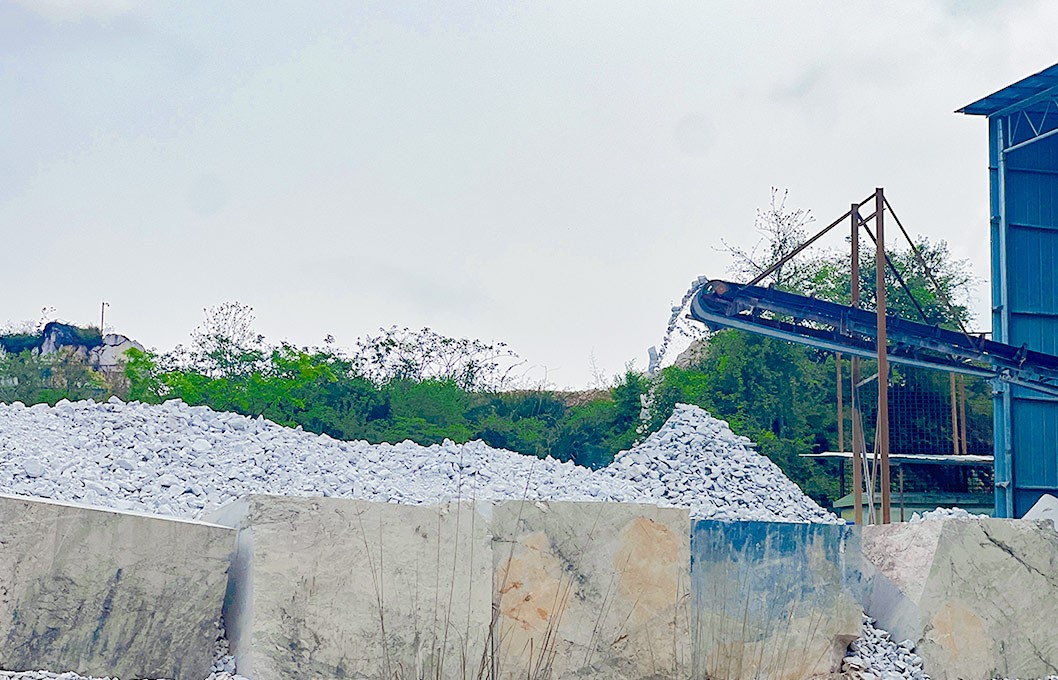
The fineness range of calcium carbonate ultrafine powder, analyzing the differences in fineness requirements from various industries, and exploring the special properties and application scenarios of ultrafine powder, will lead you to understand this ubiquitous micrometer-sized material.


Mobile Web

Official WeChat